Inside Britain's Regulated Gaming Venues: How Signup Spin Categories Align With Operator Licensing Tiers and Player Acquisition Paths
Yara Hoffmann · Oct 20, 2026
Inside Britain's Regulated Gaming Venues: How Signup Spin Categories Align With Operator Licensing Tiers and Player Acquisition Paths
Britain's regulated gaming venues operate under a structured licensing system that divides operators into distinct tiers based on scale, compliance history, and operational scope, and these tiers directly influence the signup spin categories available during player acquisition. Operators at higher tiers often deploy broader spin offerings tied to larger welcome packages, while lower tiers focus on targeted entry-level spins that meet specific eligibility filters, and this alignment shapes how new players enter the ecosystem through registration incentives.
Licensing Tiers and Their Core Characteristics
British operators receive classification into multiple tiers according to criteria set by regional authorities, with Tier 1 covering large-scale national platforms that maintain extensive compliance records, Tier 2 encompassing mid-sized regional operators with moderate market reach, and Tier 3 including smaller or emerging venues that adhere to baseline standards. Data from industry reports indicates these tiers determine the maximum value and frequency of signup spins permitted during initial player onboarding, since higher tiers gain flexibility in structuring promotions that integrate with loyalty pathways.
Those who've examined licensing records note that Tier 1 operators frequently align their spin categories with multi-stage acquisition paths that begin with modest free spin allocations upon registration and expand based on deposit activity, whereas Tier 3 venues restrict spins to fixed introductory sets that emphasize quick entry without extended commitment structures. This tier-based differentiation ensures regulatory consistency across venues while allowing operators to tailor acquisition strategies to their licensed capacity.
Signup Spin Categories and Their Structural Alignment
Signup spin categories fall into distinct groups such as no-deposit introductory spins, deposit-matched spin bundles, and progressive eligibility spins that unlock after verification steps, and each category maps onto specific licensing tiers through predefined rules. Tier 1 platforms typically feature all three categories in coordinated sequences that support sustained player retention, while Tier 2 and Tier 3 operators concentrate on one or two categories to match their acquisition scale and compliance obligations.
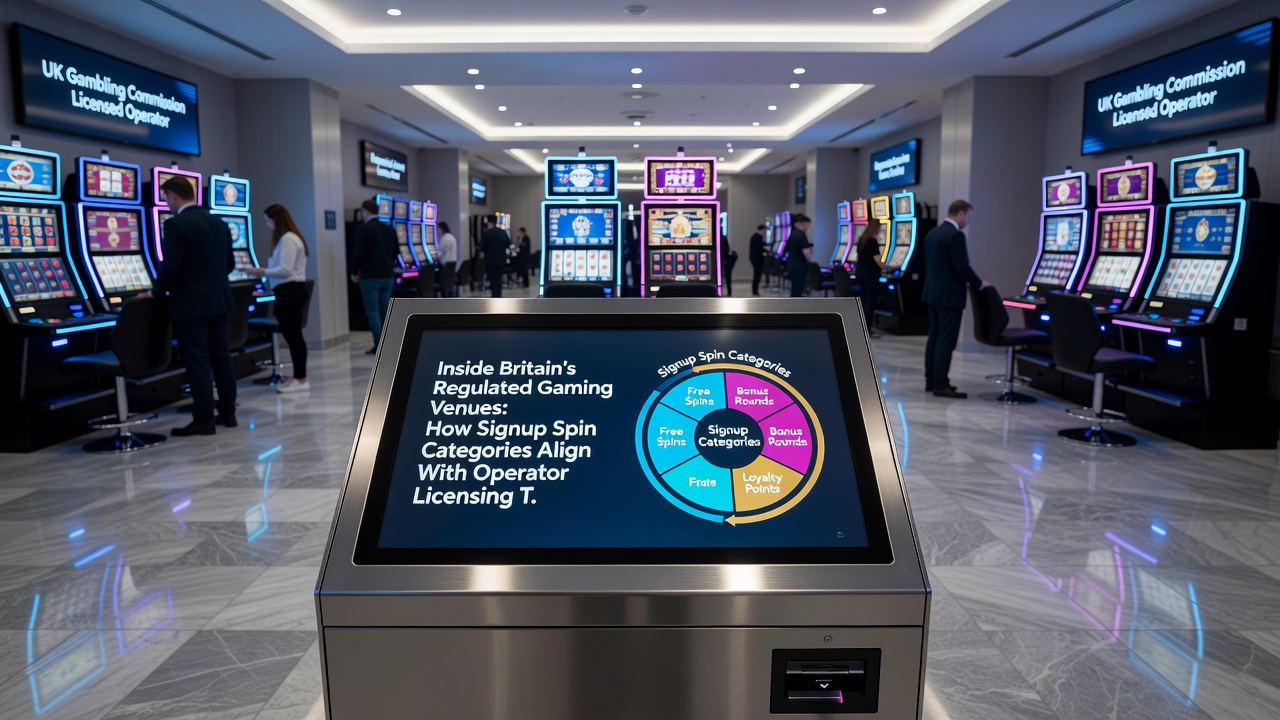
Research from the Australian Communications and Media Authority on comparable regulatory frameworks shows that spin categories gain definition through licensing conditions that specify wager requirements and game eligibility, and British venues follow similar patterns where Tier 1 operators receive approval for higher-volume spin sets that facilitate broader player acquisition. Observers note that this structure prevents overlap between categories and maintains clear boundaries for each tier's promotional activities.
Player Acquisition Paths Through Tiered Systems
Player acquisition paths in these venues proceed through sequential stages where signup spins serve as entry points that connect directly to tier-specific licensing parameters, beginning with registration and verification before progressing to funded activity. Tier 1 operators guide players along extended paths that incorporate layered spin categories to build engagement over multiple sessions, whereas Tier 2 and Tier 3 venues streamline paths toward immediate spin redemption that aligns with their narrower operational licenses.
Figures from the Canadian Centre on Substance Use and Addiction gaming research indicate that acquisition efficiency improves when spin categories match tier capabilities, since players encounter offers calibrated to the operator's licensed scope and this reduces friction during the initial journey. In October 2026, several mid-tier operators plan to adjust spin allocations in response to evolving acquisition data that tracks conversion rates across registration incentives.
Regulatory Updates and Industry Patterns in Late 2026
Patterns observed across Britain's venues reveal that licensing tiers undergo periodic review cycles that influence spin category availability, with adjustments often coinciding with broader industry reporting periods such as those scheduled around October 2026. These updates typically refine eligibility rules for spins without altering core tier definitions, allowing operators to refine acquisition paths based on performance metrics collected from prior periods.
Experts have observed that smaller Tier 3 venues adapt more rapidly to these cycles by narrowing spin offerings to maintain compliance, while larger Tier 1 platforms leverage the same updates to expand category options within approved boundaries. This dynamic maintains alignment between licensing structures and promotional tools across the regulated sector.
Conclusion
Britain's regulated gaming venues demonstrate a consistent relationship between operator licensing tiers and signup spin categories that supports structured player acquisition paths, with each tier operating within defined parameters that shape initial engagement offers. Data collected through 2026 continues to illustrate how these alignments sustain regulatory oversight while accommodating varied operator scales and acquisition approaches.