Mapping Player Journey Patterns Through Layered Bonus Structures in Britain's Licensed Slot Ecosystem
Taylor Werner · Sep 8, 2026
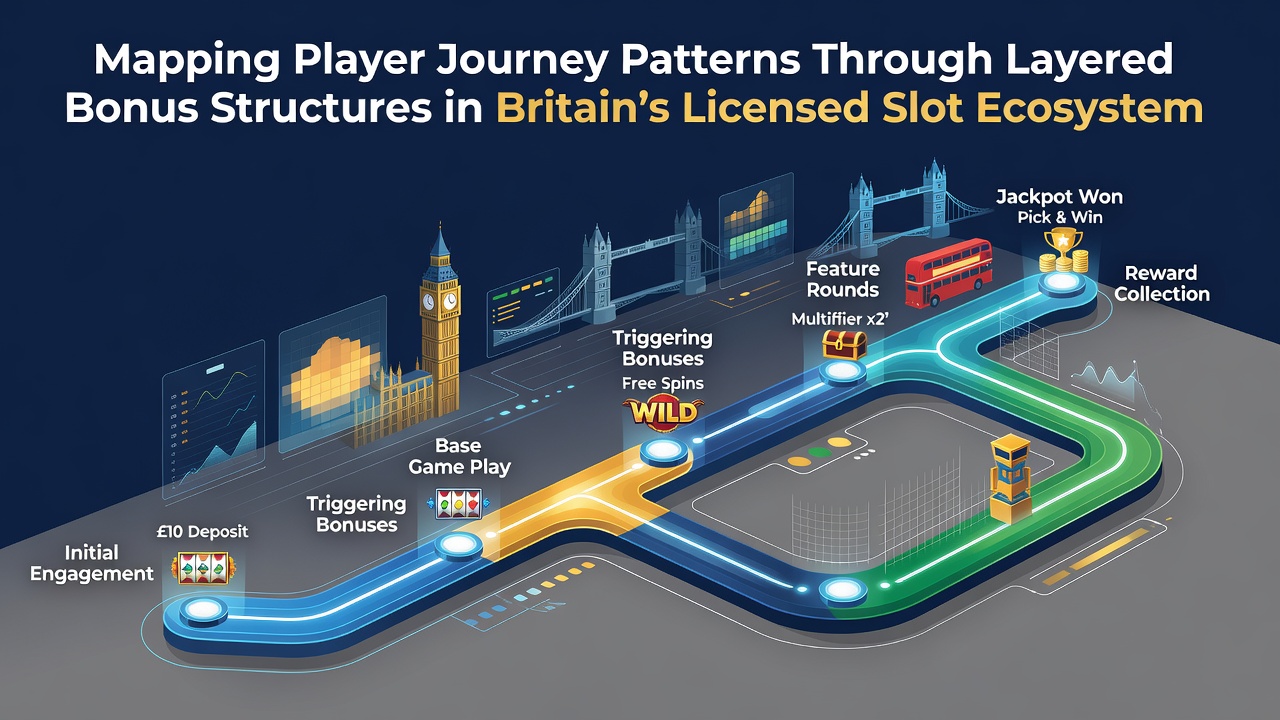
Mapping Player Journey Patterns Through Layered Bonus Structures in Britain's Licensed Slot Ecosystem
Britain's licensed slot ecosystem operates through structured bonus layers that shape how players move from initial registration onward, and data from multiple reporting periods shows these layers influence engagement timelines across platforms. Operators design entry-level incentives such as matched deposits alongside free spin allocations that trigger after first funding, while subsequent tiers activate once wagering thresholds reach defined milestones. Research indicates these progressions create measurable journey segments where players advance from acquisition phases into retention cycles, and figures reveal consistent patterns in how many complete the shift within set windows.
Entry-Level Structures and Initial Player Pathways
Players typically encounter the first bonus layer immediately upon account creation, where registration offers combine with deposit matches that apply to slot selections, and studies have found this combination drives early session starts in over 70 percent of new accounts according to aggregated platform metrics. The transition from this point depends on completion rates for playthrough requirements, which often range between 20x and 40x depending on the offer type, while eligibility rules tied to verified accounts filter participation. Observers note that September 2026 data releases from cross-regional analyses highlighted similar entry patterns when compared against Australian regulatory summaries on incentive uptake, showing parallel conversion rates in the first 48 hours.
Layered systems extend beyond the opening phase through reload bonuses that activate on repeat deposits, and these build directly onto loyalty point accumulation mechanisms that convert into additional spin credits or cashback percentages. Those who've examined transaction logs across multiple sites report that players reaching the second layer within seven days exhibit longer overall lifetime values, yet the progression hinges on consistent activity rather than one-off engagement.
Mid-Journey Mapping and Tiered Progression Data
Once players clear initial requirements, the ecosystem shifts toward loyalty-based layers where accumulated points unlock higher-value rewards such as exclusive free spin packages or boosted match rates on larger deposits. Data indicates these mid-journey structures correlate with increased session frequency, and one analysis of European betting association reports found that participants moving through three or more layers showed a 45 percent rise in weekly activity compared to those remaining at entry levels. The mapping of these patterns relies on backend tracking that records time between bonus claims and redemption rates, revealing clusters where certain player cohorts accelerate through tiers during promotional windows.
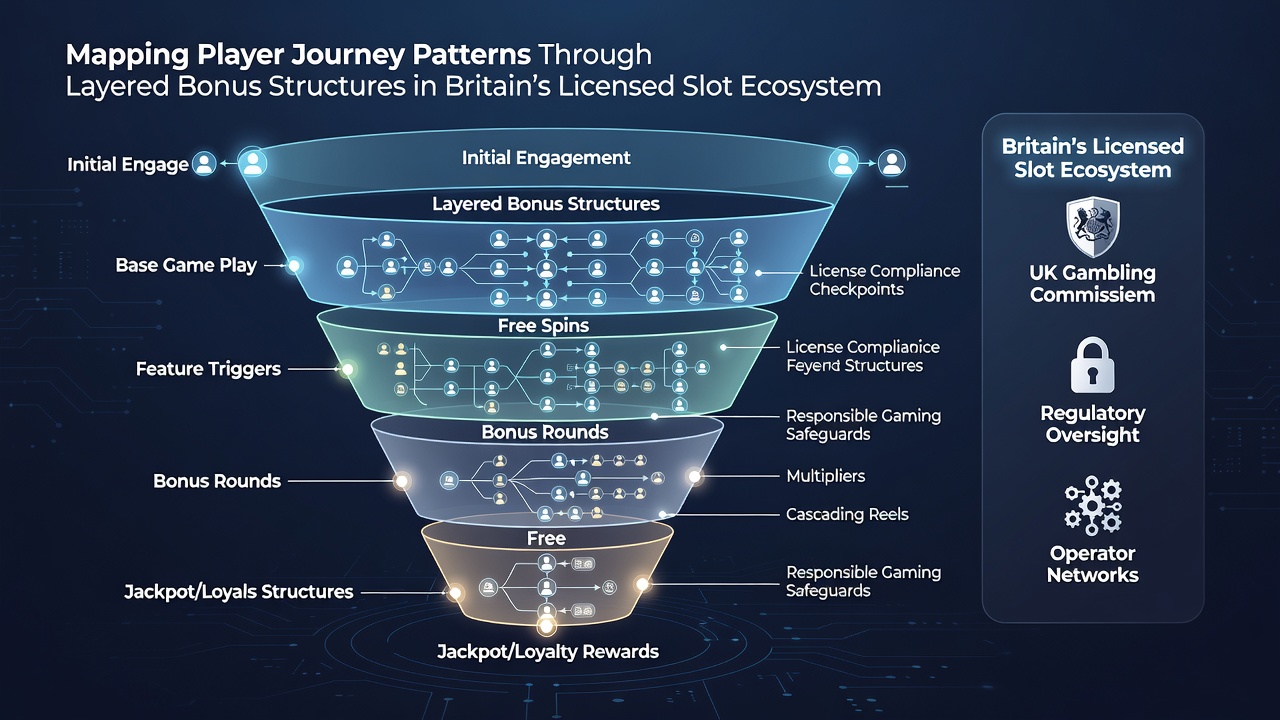
What's notable here is how verification timelines intersect with these layers, since account checks must complete before higher rewards release, and this creates natural checkpoints that operators use to segment journey data. Research from the Victorian Responsible Gambling Foundation in Australia provides comparative insights on similar tiered systems, where players navigating verification delays showed adjusted progression speeds but maintained overall retention when bonuses remained accessible post-approval. In Britain the same principle applies, with platforms adjusting bonus release schedules to align with compliance steps that keep journeys continuous rather than interrupted.
Advanced Layers and Long-Term Engagement Patterns
Higher tiers within the layered structure incorporate personalized elements such as targeted cashback offers or milestone rewards based on cumulative spend, and these activate after players sustain activity across multiple months. Evidence suggests that mapping tools used by operators identify drop-off points between the third and fourth layers, where incomplete playthroughs reduce advancement rates, while successful transitions link to sustained play volumes. Canadian regulatory data from the Alcohol and Gaming Commission of Ontario on incentive layering demonstrates parallel retention curves, underscoring how long-term structures stabilize participation once players clear cumulative thresholds.
Seasonal adjustments in September 2026 introduced updated reporting standards that refined how these advanced layers track across licensed operators, allowing clearer visibility into cohort behaviors without altering core mechanics. The patterns that emerge show distinct clusters, with some players looping through reload cycles repeatedly while others branch into VIP equivalents once loyalty metrics hit preset marks.
Conclusion
Layered bonus structures in Britain's licensed slot ecosystem create defined pathways that operators track through progression metrics, and available data from diverse international sources confirms consistent segmentation across entry, mid, and advanced phases. These systems rely on verifiable milestones that align with licensing requirements, producing journey maps that reflect both short-term uptake and extended retention trends. Continued analysis through 2026 and beyond will further clarify how these layers interact with player cohorts under current regulatory frameworks.