Regulatory Pathways: How UK Licensing Shapes Spin Promotion Categories and Eligibility Rules
Taylor Werner · Aug 23, 2026
Regulatory Pathways: How UK Licensing Shapes Spin Promotion Categories and Eligibility Rules
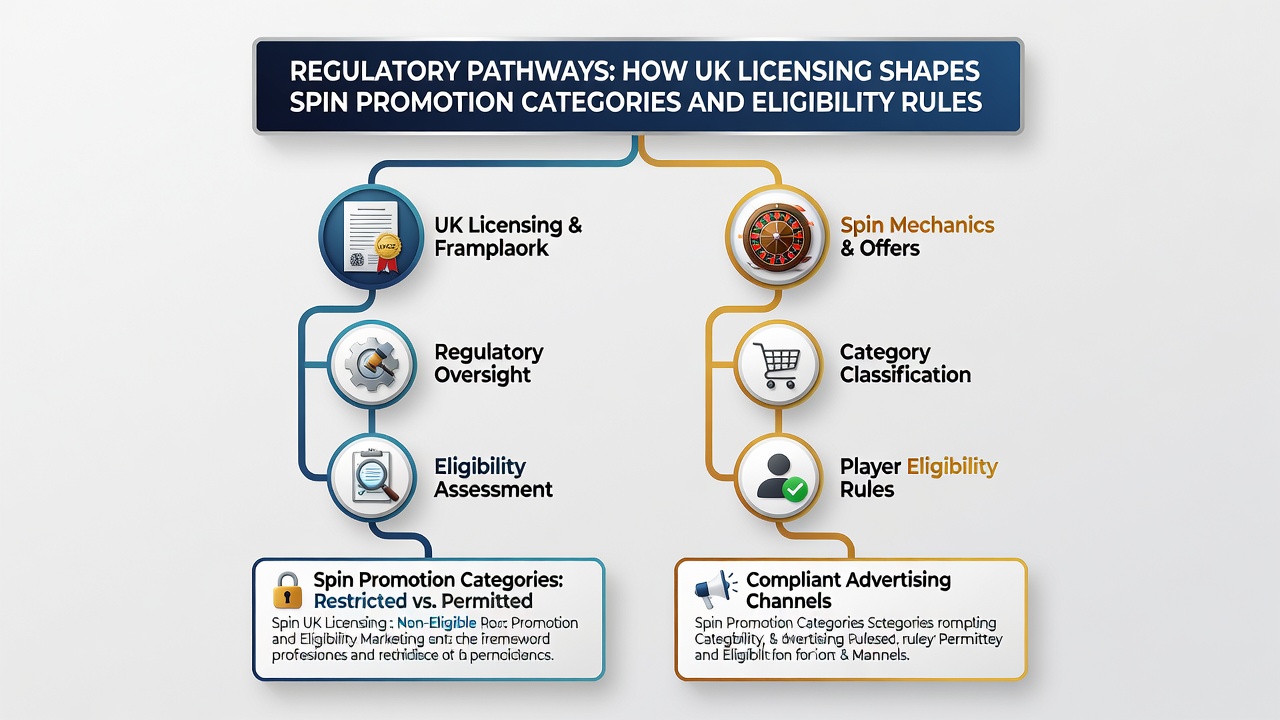
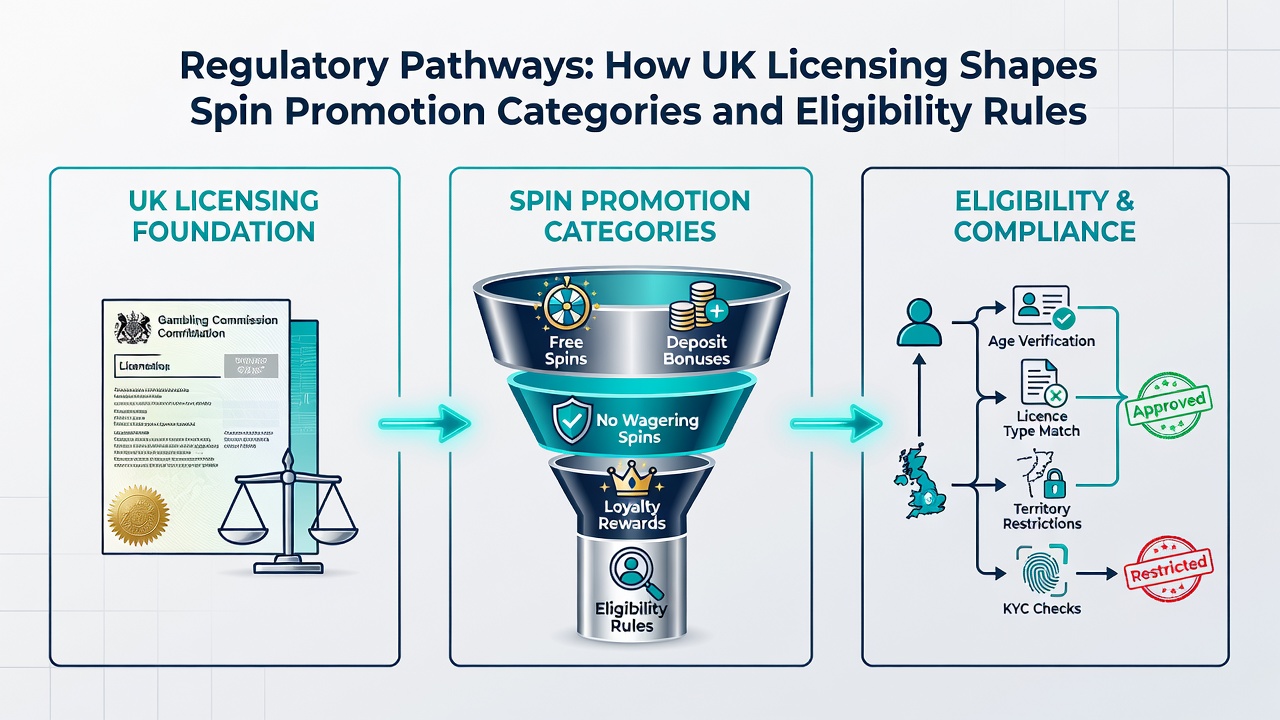
UK licensing requirements establish clear boundaries for spin promotions by defining distinct categories such as no-deposit free spins, matched deposit bonuses, and loyalty-based reel rewards, while also setting eligibility criteria that operators must follow to maintain compliance. These pathways emerged from broader legislative updates that prioritize consumer protection and responsible play, which in turn influence how operators structure offers around slot games and other chance-based mechanics.
Core Licensing Structures and Promotion Categories
Operators seeking to offer spin promotions operate under segmented licensing tiers that separate remote casino activities from betting and software supply, and each tier carries specific obligations around how promotions get classified and advertised. Data from the National Council on Problem Gambling shows that jurisdictions with tiered licensing report clearer separation between deposit-linked and no-deposit spin offers, which reduces ambiguity for both providers and players. Promotions fall into defined buckets that include welcome spins, reload incentives, and tournament entries, yet eligibility hinges on age verification thresholds, account tenure, and deposit history that regulators monitor through audit trails.
August 2026 marks a scheduled review point for certain cross-border alignment rules that could affect how UK-licensed sites categorize multi-jurisdictional spin campaigns, particularly those involving EU players. Observers note that operators have already begun mapping their current promotion libraries against these forthcoming alignment points to avoid reclassification issues later.
Eligibility Rules and Verification Protocols
Eligibility determination relies on a combination of real-time identity checks and historical play data, with systems required to flag accounts that fail repeated verification attempts within short windows. Research from the Canadian Centre on Substance Use and Addiction indicates that stricter verification windows correlate with lower rates of promotional misuse across licensed markets. Players typically must complete full KYC processes before accessing no-deposit spin categories, whereas deposit-matched spins often allow staged verification that unlocks progressively larger reward pools.
Operators maintain internal rule sets that translate licensing conditions into automated triggers, such as blocking spin credits for accounts flagged under self-exclusion registers or geographic restrictions. Those who have studied implementation patterns find that clear eligibility documentation reduces support queries and helps maintain consistent application of rules across different promotion types.
Operational Adjustments and Industry Reporting
License holders submit periodic reports detailing promotion volumes, redemption rates, and any instances where eligibility rules required adjustment after audits. These submissions feed into broader industry datasets that track how spin categories evolve under regulatory pressure. According to figures compiled by Gambling Research Australia, markets with transparent reporting obligations experience steadier growth in compliant promotional activity compared with less structured environments.
But here's the thing: operators frequently adjust spin mechanics, such as wagering multipliers or game weighting, to align with licensing expectations around fair play disclosure. These adjustments appear in updated terms that players encounter during account registration or promotion opt-in, ensuring the categories remain distinct and traceable through the operator's system logs.
Cross-Jurisdictional Influences on UK Practices
UK frameworks draw indirect influence from international standards, including those developed under EU consumer protection directives and North American responsible gaming models, which shape how spin promotions get presented to different player segments. One study revealed that harmonized disclosure requirements across borders lead to more uniform eligibility language in promotional copy, reducing the risk of misinterpretation by users who hold accounts in multiple regulated markets.
What's interesting is how licensing conditions now require operators to demonstrate that spin categories do not disproportionately target vulnerable groups, a standard supported by data from multiple academic reviews of gambling advertising. This has prompted some providers to introduce age-gating overlays and spend-limit reminders directly within the promotion flow.
Conclusion
Regulatory pathways continue to define the boundaries within which UK-licensed operators develop and deliver spin promotions, establishing precise categories and eligibility frameworks that prioritize transparency and player safeguards. As August 2026 approaches, ongoing alignment efforts may introduce further refinements to how these offers are structured and reported across borders, ensuring the system remains responsive to emerging data on player behavior and market trends.