Seasonal Fluctuations in Slot Reward Availability Across Britain's Regulated Digital Gaming Venues
Greta Hayes · Sep 22, 2026
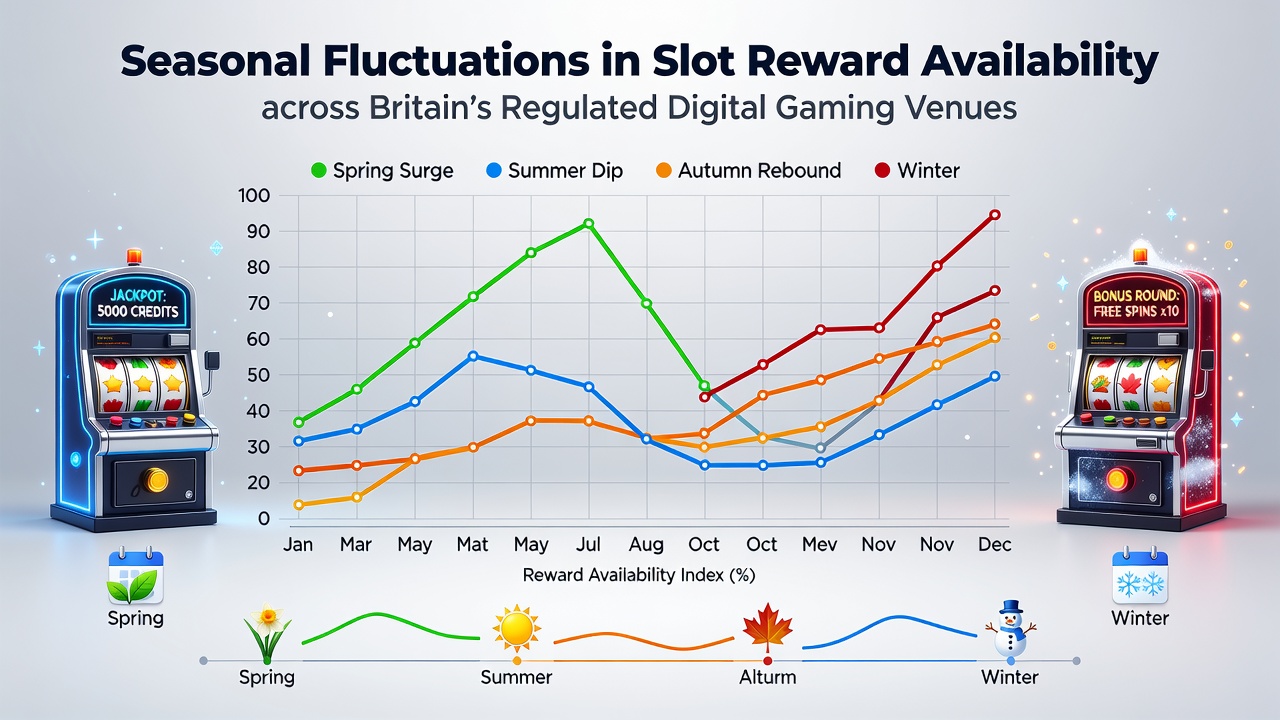
Seasonal Fluctuations in Slot Reward Availability Across Britain's Regulated Digital Gaming Venues
Seasonal patterns shape how operators structure slot rewards in Britain's regulated online gaming sector, and data from industry tracking services shows clear peaks and troughs tied to calendar events. Researchers tracking promotional calendars have documented higher volumes of free spin offers and deposit match incentives during the final quarter of each year, while mid-year periods often feature steadier but less frequent campaigns. These shifts reflect broader consumer spending cycles rather than arbitrary decisions, and multiple analyses confirm the connection between holiday timing and reward distribution.
Holiday-Driven Patterns in Reward Distribution
December stands out as a period when many platforms increase the frequency of bonus rounds and loyalty multipliers, and figures from European gaming associations reveal that operators align these adjustments with elevated player activity around Christmas and New Year celebrations. January tends to bring a contraction in new player incentives, though existing account holders may still access reload offers tied to ongoing loyalty schemes. Observers note that February sometimes sees targeted promotions around Valentine's events, yet the overall availability remains lower than the preceding festive window.
Those who have examined registration data across multiple years report that September often marks the start of a gradual ramp-up toward autumn campaigns, and information released in September 2026 highlighted early indicators of renewed promotional activity ahead of the holiday season. This timing allows platforms to rebuild engagement after summer lulls without overwhelming regulatory reporting requirements.
Summer and Off-Peak Adjustments
Summer months present a different profile, where reward structures shift toward event-based triggers such as major sporting tournaments rather than blanket seasonal bonuses. Data compiled by research bodies in Canada demonstrates that UK platforms mirror some international trends by reducing daily free spin allocations during July and August, when travel and outdoor activities compete for attention. Yet certain operators maintain steady cashback programs throughout this period to retain core users who continue playing regardless of external factors.
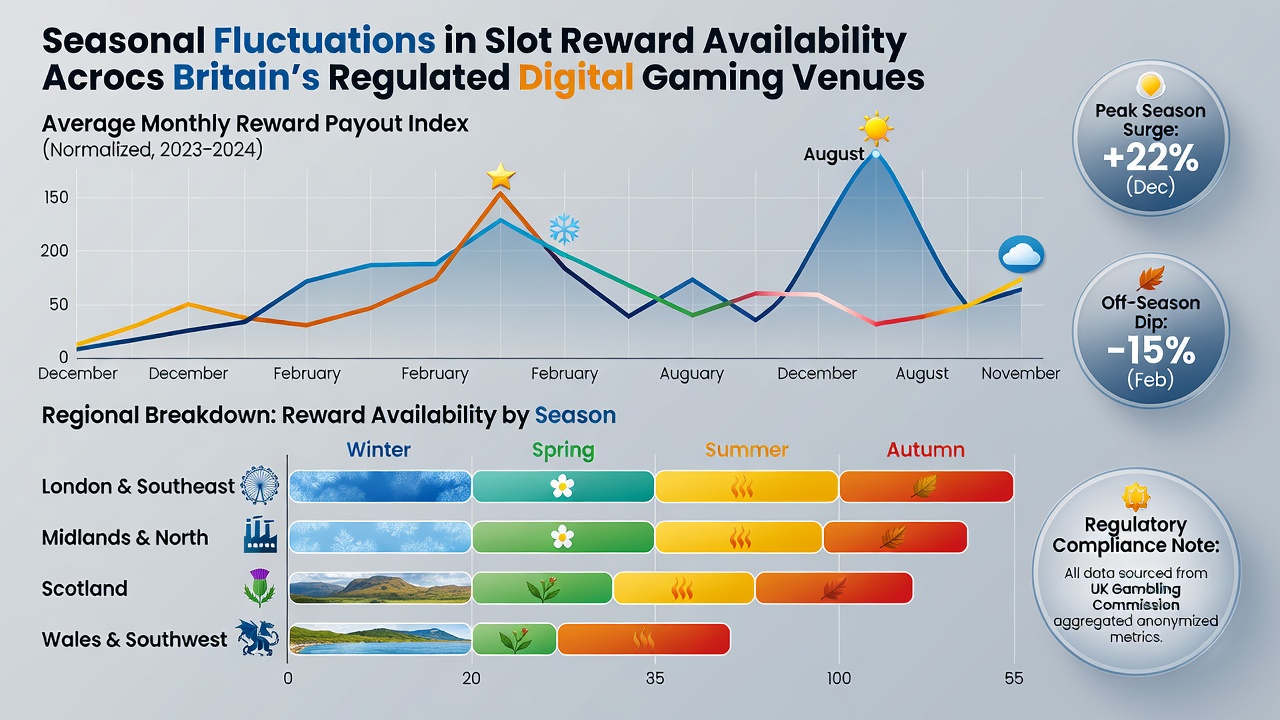
April and May frequently serve as transitional months, and studies conducted by the Australian Gambling Research Centre have linked these intervals to moderate increases in welcome bonus eligibility tied to spring marketing pushes. The reality is that availability does not disappear entirely during slower seasons, but the diversity of reward types narrows compared with peak periods.
Regulatory and Operational Influences
Britain's licensing framework requires clear disclosure of all promotional terms, which means seasonal changes must appear in updated terms and conditions well before they take effect. Industry organizations such as the European Gaming and Betting Association have published guidance showing how operators use historical performance metrics to forecast when to expand or contract reward pools. This approach helps platforms stay compliant while responding to predictable demand surges.
Verification timelines also play a role in access speed, and analysts tracking registration flows note that peak promotional windows coincide with faster processing of new accounts because demand signals encourage operators to allocate additional verification resources. Those monitoring platform behavior across multiple sites report that smaller venues sometimes mirror larger operators' seasonal calendars to remain competitive.
Data Insights and Broader Trends
Longer-term records indicate that reward availability correlates with macroeconomic indicators such as retail spending reports, and cross-referenced figures from university-led gambling studies confirm similar seasonal rhythms in other regulated markets. Platforms that adjust their offerings dynamically tend to sustain higher retention rates year-round, though the exact mechanisms vary by operator size and player demographic focus.
What's interesting is how these fluctuations interact with responsible gaming tools, since mandatory spend limits remain constant regardless of promotional intensity. Operators must ensure that increased reward visibility during busy seasons does not override player-set boundaries, and compliance audits routinely examine this balance.
Conclusion
Seasonal fluctuations in slot reward availability continue to follow established rhythms across Britain's regulated digital gaming venues, driven by consumer behavior patterns and operational planning cycles. Data from multiple sources shows consistent variations tied to holidays, sporting calendars, and transitional months, while regulatory oversight maintains transparency standards throughout the year. Future monitoring through September 2026 and beyond will likely reveal whether these patterns evolve alongside changing player preferences or remain anchored to traditional seasonal markers.